

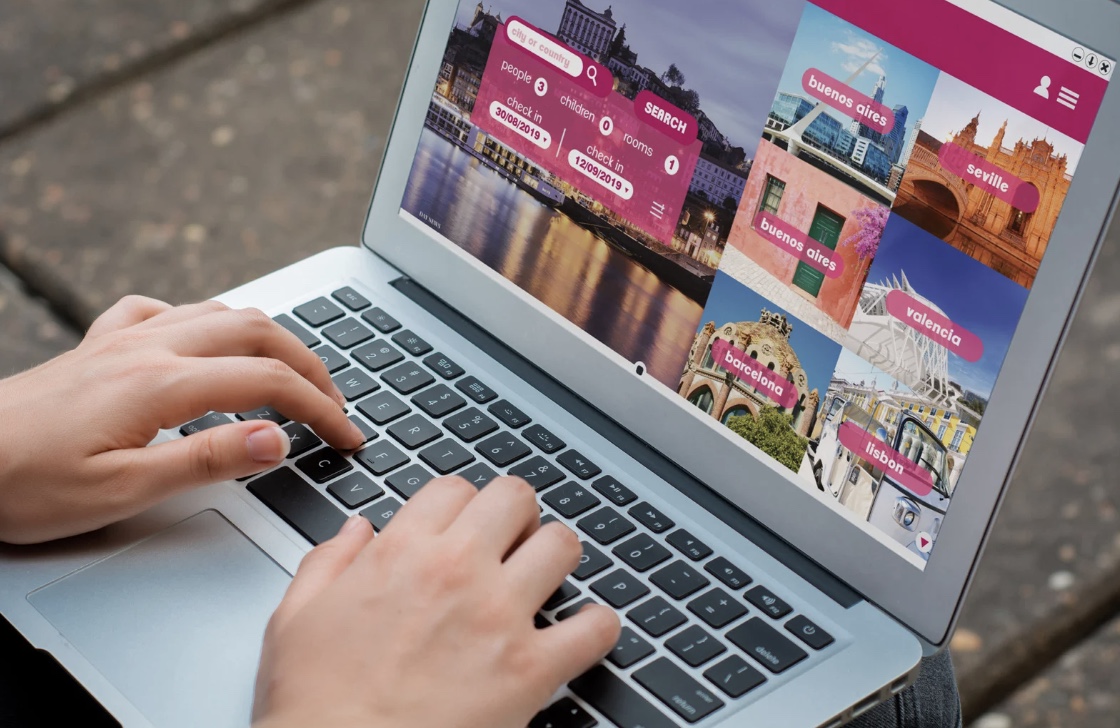
Scottish hoteliers urged to address digital drop-offs as mobile bookings surge and traveller expectations rise.
Scotland’s independent hotels are known for their warmth, individuality, and local flair. From period buildings that tell a story, to menus that spotlight local produce and staff who know guests by name. But even with glowing reviews and repeat custom, many properties are losing business before guests ever step through the door.
The issue? Underperforming websites. While most hotels invest heavily in front-of-house presentation, back-office systems, and service delivery, fewer are matching that same standard in their digital shopfront. And in a mobile-first, alwaysconnected world, it’s becoming a costly oversight.
Recent research from Expedia Group has put hard figures to a long suspected issue. 90% of travellers say a hotel’s “atmosphere and vibe” are key to their booking decisions. More notably, 67% are willing to pay a premium for properties that match that feeling.
 However, industry-wide booking conversion rates remain low, between 1–3% on average, while abandonment at the booking stage can climb to 90%. For Scottish hoteliers, this represents not only a missed opportunity, but a potential leakage of loyal guests to third-party booking sites or better optimised competitors.
Guests today are digitally fluent. They move easily between devices, plan trips while commuting, browse options during lunch breaks, and complete bookings on the sofa with a smartphone in one hand and a TV remote in the other. Their standards are set by Amazon, Netflix and the seamlessness of social media. A visually appealing site is no longer enough. It must also perform. That means fast load speeds, seamless booking engines, and responsive layouts that work smoothly across all devices.
Mobile traffic now accounts for more than 70% of all travel-related website visits, with 35% of bookings completed directly on smartphones. For Scottish properties looking to attract a younger demographic or international visitors, this shift is especially significant. And speed is critical.
 A delay of just one second in page load time can increase bounce rates by 32%. If your site takes five seconds or more to load, which is common with older booking platforms, you can expect nine out of ten visitors to exit before even viewing a room.
Improving load time by as little as 0.1 seconds can raise mobile conversion rates by 10%. That’s a meaningful lift in revenue for hotels managing tight margins and increased operational costs.
And guests don’t just abandon bookings for lack of interest. They also leave because of friction. That might be unclear pricing, long check-out forms, or uncertainty over cancellation policies.
Yet data shows that many can be re-engaged successfully. Email recovery campaigns, those subtle, automated messages that follow up after an incomplete booking, see open rates of 44% and conversion rates of nearly 30%.
Even better, the value of recovered bookings tends to be higher. Often guests return more confident and are likely to add extras like dinner reservations or spa treatments.
Hotels investing in recovery tools not only recapture revenue but also demonstrate attentiveness and professionalism. It’s an extension of good hospitality into the digital space. While OTAs offer convenience, they lack the bespoke service many travellers seek.
Independent hotels can bridge this gap by offering more tailored digital experiences. Over 90% of travellers say they expect websites to adapt to them. That might mean showing different images, languages, or rates based on a user’s location. A visitor from France, for instance, might see French-language content and Euro pricing. A repeat guest from Aberdeen could be welcomed with recognition of their past stay and a relevant offer.
Hotels that integrate personalisation into their web journeys report increased engagement, longer site visits, and improved conversion rates. With 61% of guests checking OTAs before booking direct, your own website needs to instil trust quickly.
That includes up-to-date reviews, clear cancellation policies, recognisable payment providers, and contact details that are easy to find.
Meanwhile, Google reviews and TripAdvisor scores still influence bookings heavily. Properties with fresh, strong review scores can see booking conversion increases of up to 20%, particularly important on mobile where users tend to make quicker decisions.
Smart upselling at the point of booking also remain an underutilised tactic. Options like dinner upgrades, in-room treats, late check-outs, or local experience packages can add real value for guests while increasing revenue by an average of 18% per booking. The key is relevance. Offers must match the guest profile and not slow the checkout process.
In addition, many hoteliers trust their booking engine because it integrates well with PMS systems or has been “good enough” for years. But not all engines are equal. Some convert at double the rate of others due to better design, faster performance, and stronger mobile compatibility. Choosing the right partner here can significantly affect your direct booking revenue and reduce reliance on commission heavy OTA bookings.
GuestCentric, a technology provider working with independent and boutique hotels, has found that applying usability principles to hotel websites can lead to conversion rates up to 400% higher, especially when supported by seamless design and targeted recovery tools.
Of course, a comprehensive audit of your digital performance should be the starting point. Check how your site performs on different devices, identify where users are dropping off, and assess whether your pricing is consistent with OTA listings.
From there, focus on quick wins such as speed improvements, mobile-first design, and email recovery setups. Then consider more strategic investments in personalisation, integrated CRM tools, and marketing automation.
Ultimately, your website should reflect the same care and attention that guests experience in your lobby or guest rooms. Scotland’s independent hoteliers already offer something OTAs and global chains cannot. Authentic, locally grounded hospitality. But that advantage only works if guests make it through the digital door first. Remember, your website serves as your digital front door.
Just as you wouldn’t allow your physical entrance to become outdated or unwelcoming, your online presence deserves the same careful attention and investment. Your guests’ journey begins long before they arrive at your property, and their first impression of your brand often forms during those crucial moments on your website. Make them count.
By Nicola Young
